Skin Care Packaging Design 101: How to Design Creative Product Packaging for Your Skin Care Line
What makes a shopper pause in front of a crowded shelf or stop scrolling mid-feed to take a closer look at a skin care product?
It’s not just what’s inside the bottle. It’s also the packaging that catches the eye, tells a story, and invites curiosity.
For skin care brands, packaging is your silent salesperson. It’s the first impression you make and the physical embodiment of your brand. Whether you’re starting a beauty line from scratch or refreshing your current look, designing standout skin care packaging can be the key to connecting with your ideal customer.
 Creating memorable skin care packaging is both an art and a science. The most successful designs come from a clear understanding of your brand and your customers, supported by creative exploration and testing.
Follow these steps to design creative skin care product packaging that grabs attention and builds trust.
Creating memorable skin care packaging is both an art and a science. The most successful designs come from a clear understanding of your brand and your customers, supported by creative exploration and testing.
Follow these steps to design creative skin care product packaging that grabs attention and builds trust.
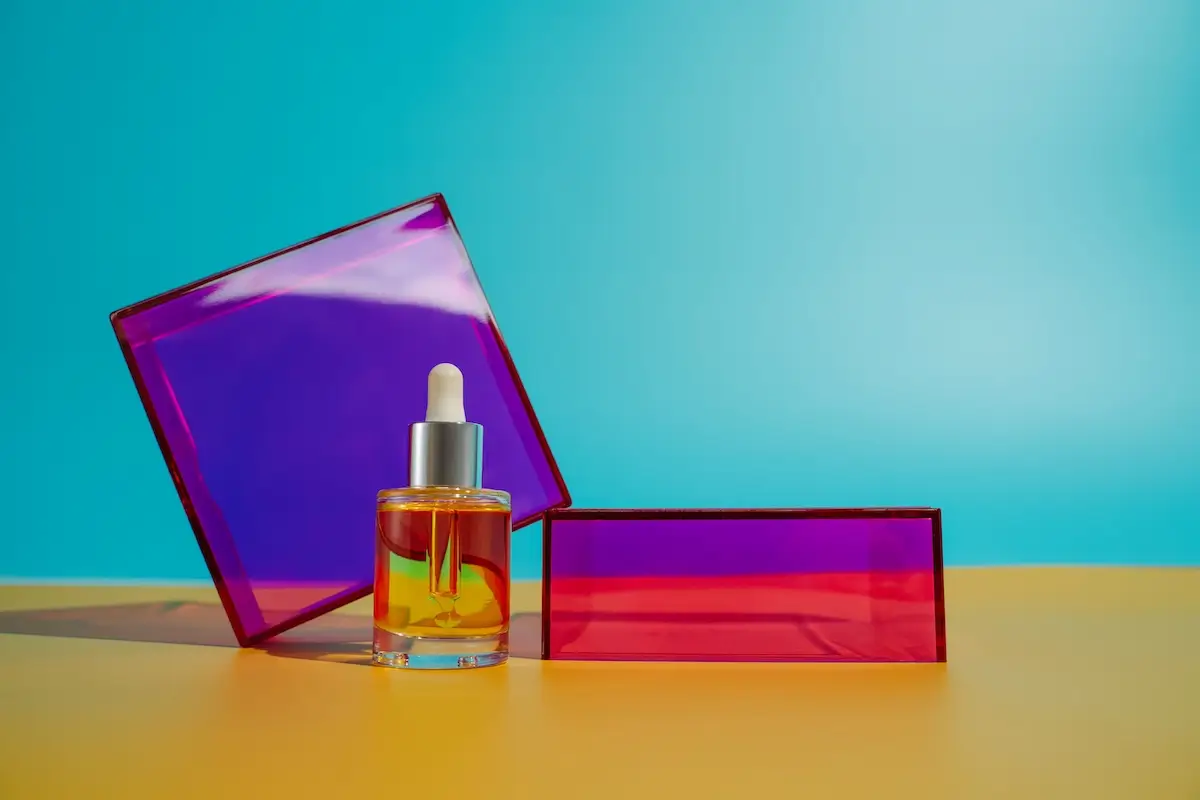 The beauty world evolves quickly, and packaging trends reflect broader shifts in consumer preferences and aesthetics. Here are some of the most popular trends making waves in skin care packaging today.
Important Elements of Skin Care Packaging Design
The visual and tactile details of your packaging communicate product information as well as convey your brand’s identity. It all starts with these foundational elements that deserve thoughtful attention in your skin care packaging design process.Color Palette
Color is one of the most powerful elements in design, especially for skin care. It instantly influences mood and perception. Soft pastels often signal gentleness and simplicity, making them ideal for sensitive skin lines or natural products. On the other hand, bold, saturated hues can convey modernity, confidence, and innovation. If you want to evoke luxury, consider deep jewel tones or classic black and gold combinations. Your palette should align with your brand personality and resonate with your target audience.Typography
Fonts do more than spell out your product name. They shape the feel of your entire brand. A sleek sans-serif font can evoke minimalism and modernity, while an elegant serif font lends a sense of tradition and prestige. Handwritten or retro-inspired fonts can give your packaging a unique, artistic flair that feels personal and expressive. Choose no more than two complementary fonts to keep your design clean and cohesive. And always prioritize legibility, especially for ingredients and usage instructions.Patterns & Graphics
The right visuals can turn a basic label into a miniature work of art. Flat graphics offer a contemporary aesthetic, while bold patterns and illustrated designs can tell a story or reference your brand origins. A wave pattern might suggest hydration, while floral motifs can connect to botanical ingredients. Gradients and retro elements like 70s-inspired swirls or stripes are gaining popularity for brands that want to appear trend-savvy and nostalgic. The key is consistency across your skin care product line so each item feels like part of a larger family.Label
Labels frame your entire brand message while also conveying essential information to your customers. Effective label design ensures that key information stands out without feeling cluttered. It should include your logo, product name, net weight, ingredients, and directions for use. Label placement, shape, and size must also complement the packaging type, such as a tube, jar, or bottle. You can elevate your label with finishes like foil stamping, embossing, or soft-touch coatings to enhance the overall tactile experience.Material Choice
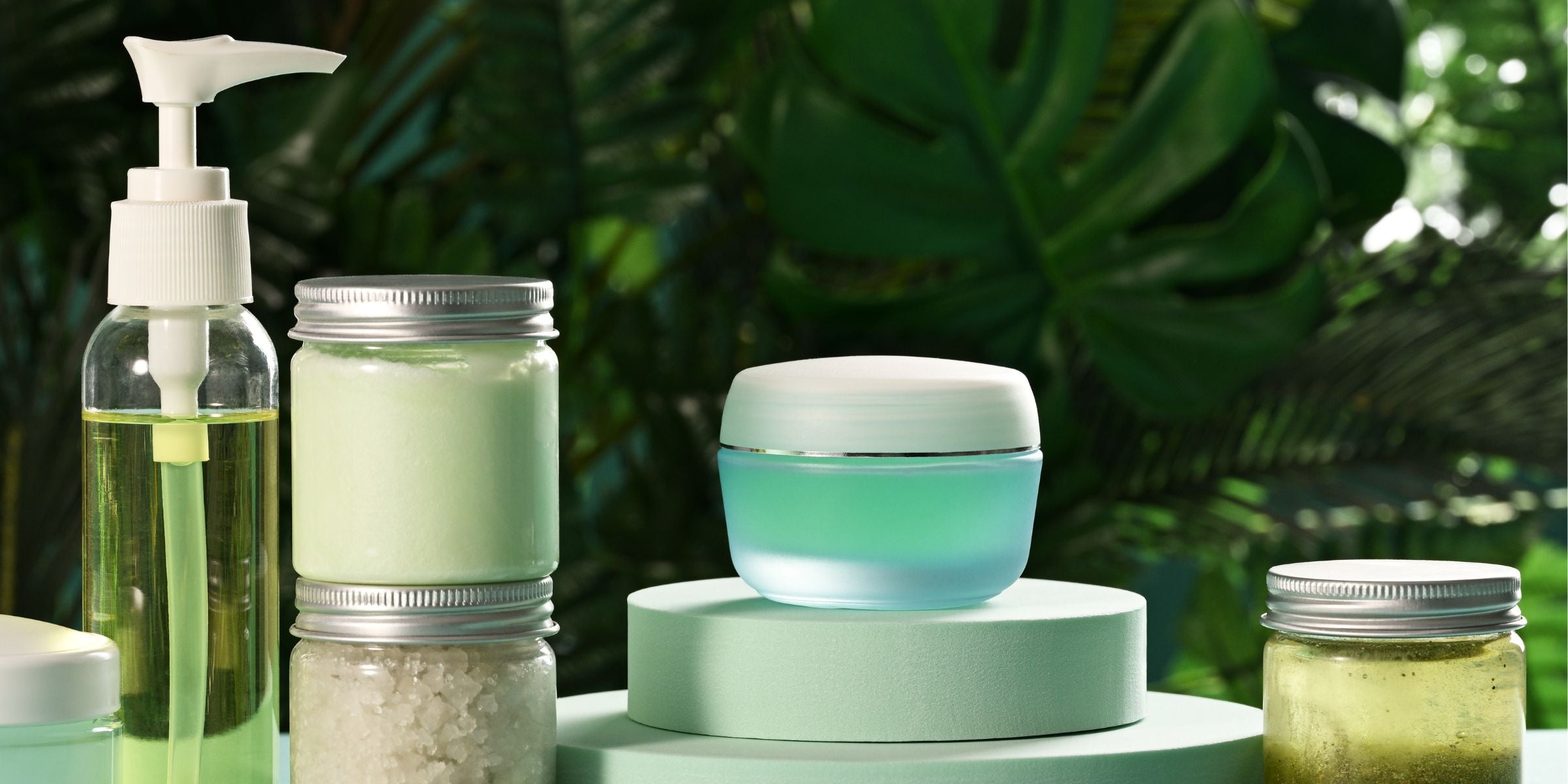
The materials you choose speak volumes about your brand values and product quality. Glass containers often imply luxury and sustainability, while PET plastic offers durability and affordability. Transparent packaging showcases the texture and color of your product, which can be visually appealing and promote transparency in branding. Eco-conscious consumers are also drawn to recyclable or refillable packaging, making sustainable materials a smart business choice. Your material should balance aesthetics, functionality, and environmental impact.How to Design Skin Care Packaging: 8 Steps to Follow
Creating memorable skin care packaging is both an art and a science. The most successful designs come from a clear understanding of your brand and your customers, supported by creative exploration and testing.
Follow these steps to design creative skin care product packaging that grabs attention and builds trust.
1. Define Your Target Audience
Before sketching ideas or choosing colors, get to know who you’re designing for. A product aimed at Gen Z may call for playful illustrations, vibrant palettes, and social-media-friendly design. In contrast, a premium anti-aging cream might demand a sleek, understated look with high-end finishes. Knowing your target audience’s lifestyle, preferences, and purchase behaviors helps shape a design they find irresistible.2. Identify Your Brand Personality
Think of your brand as a person. Is it fun and adventurous? Calm and clinical? Sophisticated and luxurious? Your packaging should express this personality at first glance. For instance, a clean, all-white design with crisp black text suggests professionalism and trust, which is perfect for a dermatologist-developed product. On the other hand, earthy tones and hand-drawn botanicals can evoke a sense of natural beauty and sustainability.3. Assess Your Sales Channels
Where your product will be sold affects how it should be presented. For online-only brands, your packaging needs to photograph well and stand out on a never-ending list of digital products. In contrast, in-store packaging must grab attention from a distance and convey key benefits quickly. Products sold in boutiques may call for artisanal details, while mass retail may benefit from bold designs that pop off the shelf.4. Develop a Mood Board
A mood board helps create a visual direction for your packaging and keeps your team aligned throughout the design process. It’s a helpful tool for briefing designers or manufacturers about what you’re looking for in your skin care packaging. Collect inspiration from fashion, art, nature, or even architecture that aligns with your brand. Include colors, textures, patterns, and packaging styles that evoke the feeling you want your brand to convey.5. Choose Packaging Types
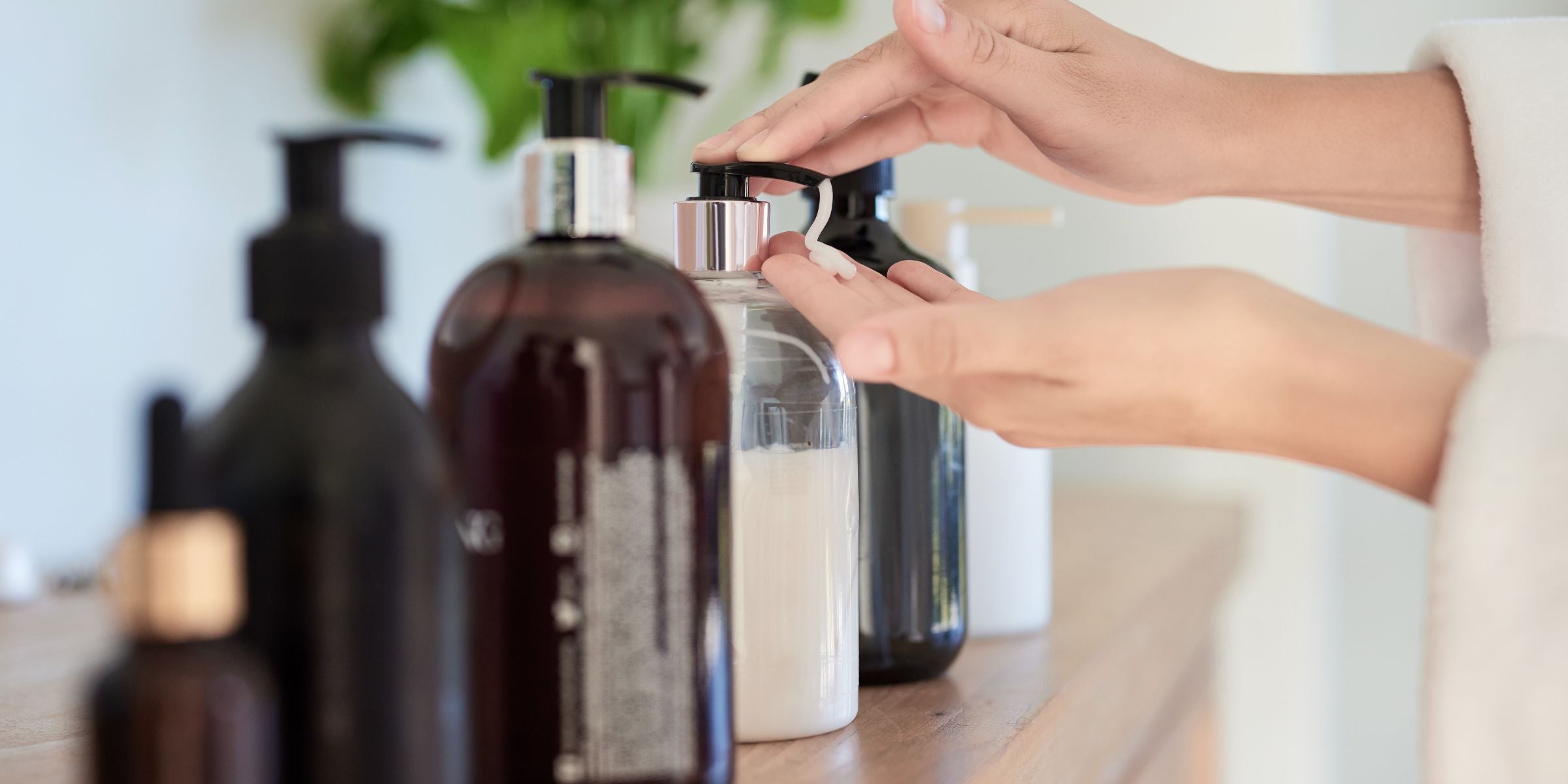
Think beyond the outer box and consider all components your product needs. Do you need a pump bottle, dropper, jar, or squeeze tube? Is an outer carton necessary for protection and storytelling? For example, serums often use dropper bottles to suggest precision and efficacy, while body creams may come in wide-mouth jars for easy application. The structure should match the function.6. Establish Your Design Standards
Design standards help maintain a cohesive look, whether you’re launching one product or twenty. It also makes it easier to scale your brand. Create a brand style guide that outlines specific rules for your logo usage, color codes, font styles, image types, and tone of voice. This document ensures consistency across product lines and marketing materials.7. Create a Prototype
Before committing to final production, develop 3D mockups or prototypes. These can be digital renderings or physical samples. They allow you to test the look, feel, and functionality of your design. You might discover that a color looks different in print or that a label is difficult to read on curved surfaces. Iteration is key at this stage.8. Test & Finalize Your Design
Get feedback from team members, potential customers, or retail partners. Does the design resonate? Is the label clear and compliant with regulations? Consider doing a small test run before mass production. Feedback and testing ensure that your final design is both beautiful and effective.Creative Skin Care Packaging Design Trends for Inspiration
The beauty world evolves quickly, and packaging trends reflect broader shifts in consumer preferences and aesthetics. Here are some of the most popular trends making waves in skin care packaging today.