

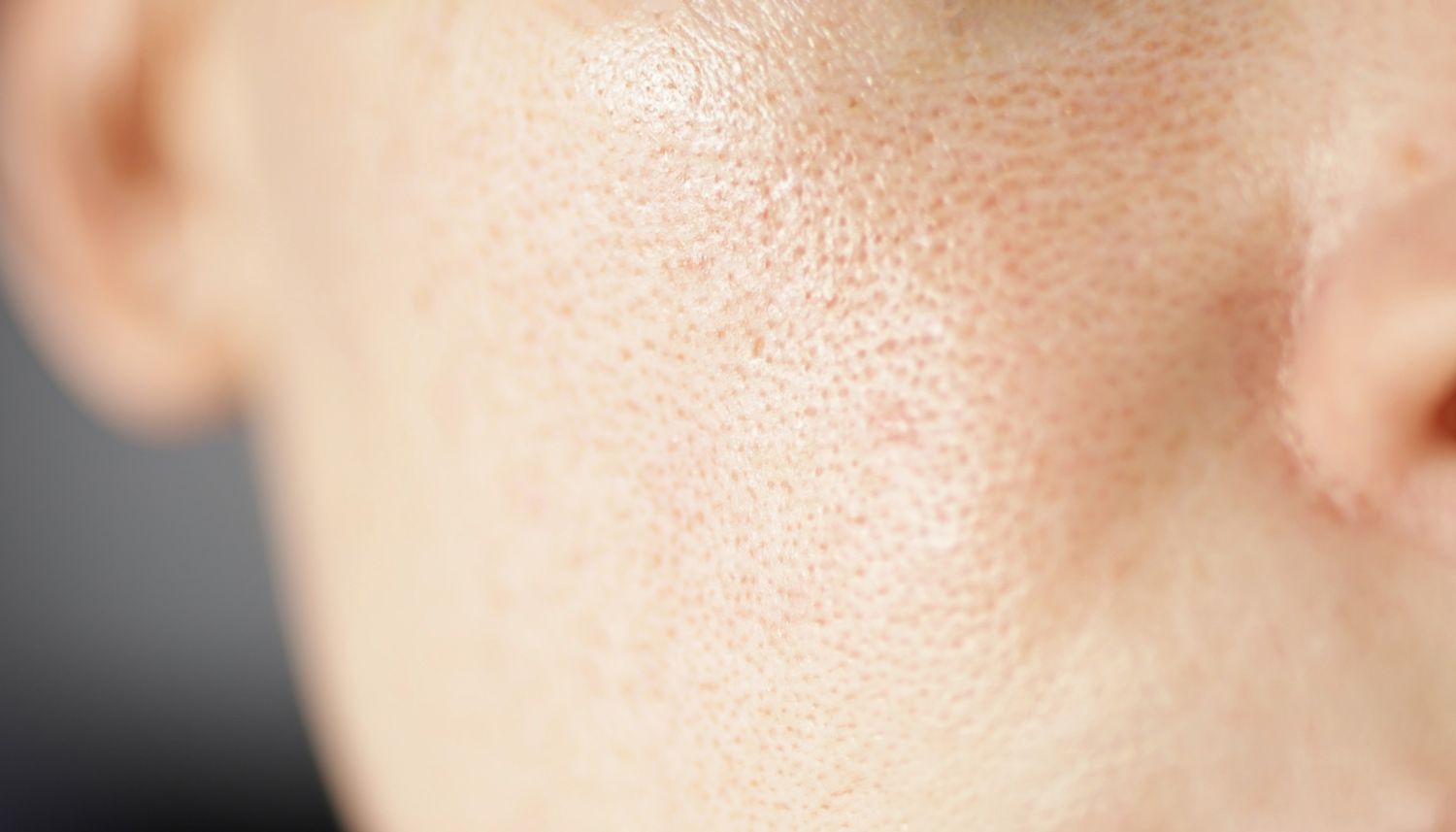
Skin sensitivity has moved from being a niche concern to a widespread consumer reality. Many people experience redness, irritation, dryness, or reactivity triggered by everyday environmental factors, ingredients, or skin conditions. As conversations about skin health become more prominent across social media, dermatology, and beauty communities, consumers are becoming more aware of what their skin needs and how different products affect it.
For skin care and beauty brands, this shift represents a major opportunity. Consumers are actively searching for products that soothe, protect, and support reactive skin. The result is a rapidly expanding market category centered on gentle formulations and barrier-supportive ingredients.
This article takes a closer look at how the sensitive skin care category is evolving and what it means for brands. It explores the market forces driving growth, the trends shaping product development, and the strategies brands can consider when creating or expanding sensitive skin care lines. Together, these insights help beauty brands better understand how to develop product lines that address the growing demand for gentle, supportive skin care solutions.
Sensitive Skin Care Market Size & Growth
Sensitive skin is far more common than many people realize. According to research from Aveeno, approximately 71% of adults report having sensitive skin, highlighting just how widespread skin reactivity has become. Even more striking, the number of individuals who identify their skin as sensitive has increased 55% over the past two decades.
This rising awareness has helped fuel substantial growth in the sensitive skin care category. A study by Grand View Research estimated the value of the global sensitive skin care products market at $44.60 billion in 2023 and projected it will reach $80.97 billion by 2030, reflecting a compound annual growth rate (CAGR) of 8.9% from 2024 to 2030.
Several product categories contribute to this growth. Face care currently represents the largest share of the market, accounting for 54.28% of global revenue in 2022. Facial products often serve as the first line of defense against irritation and environmental stressors, which helps explain their dominant position. At the same time, body care products designed for sensitive skin are gaining momentum. This segment is expected to grow at a 9.5% CAGR through 2030, which signals increasing demand for gentle formulations across the entire skin care routine.
Together, these figures reflect a larger shift in consumer behavior. As people learn more about skin conditions and ingredient sensitivities, they are adopting specialized skin care products earlier and more frequently.
Market Drivers Behind Sensitive Skin Care Growth
Several underlying forces are accelerating demand for sensitive skin care products across the beauty industry. Changes in consumer awareness, lifestyle factors, and the growing prevalence of skin conditions have all contributed to increased interest in gentle and skin-supportive formulations. As more people experience irritation, redness, or skin reactivity, the demand for products designed to calm and protect sensitive skin continues to expand.
The following market drivers help explain why this category has become one of the fastest growing segments within the skin care industry.
Increasing Prevalence of Skin Sensitivity & Related Conditions
Skin sensitivity conditions such as eczema, rosacea, and allergic reactions are becoming more common. These conditions often leave the skin more reactive to ingredients, environmental factors, and harsh formulations. As a result, many consumers actively search for products specifically developed to soothe irritation and support the skin barrier. This growing population of consumers with reactive or easily irritated skin has created a larger market for specialized products designed to address these concerns.
Rising Consumer Awareness of Skin Health
Consumers today have access to more information about skin health than ever before. Dermatology content, social media discussions, and ingredient education have helped people better understand how skin care products interact with their skin.
This increased awareness has encouraged shoppers to pay closer attention to product labels, ingredient lists, and formulation claims. Many consumers now prefer products that are gentle, hypoallergenic, and formulated with sensitive skin in mind.
Environmental & Lifestyle Stressors
Modern lifestyles expose skin to a wide range of environmental stressors. Pollution, UV exposure, fluctuating weather conditions, and temperature extremes can all weaken the skin barrier and contribute to irritation. Stress, sleep patterns, and daily routines can also influence skin health.
As these factors affect more people, consumers increasingly look for skin care products that help protect the skin and provide relief from environmental stress.
Early Adoption of Specialized Skin Care Products
As consumers become more informed about skin sensitivities and treatments, many begin using targeted skin care products earlier in their routines. Rather than waiting for severe irritation or diagnosed conditions, shoppers often choose products designed for sensitive skin as a preventative measure. This shift toward proactive skin care has contributed to the continued growth of the sensitive skin product category.
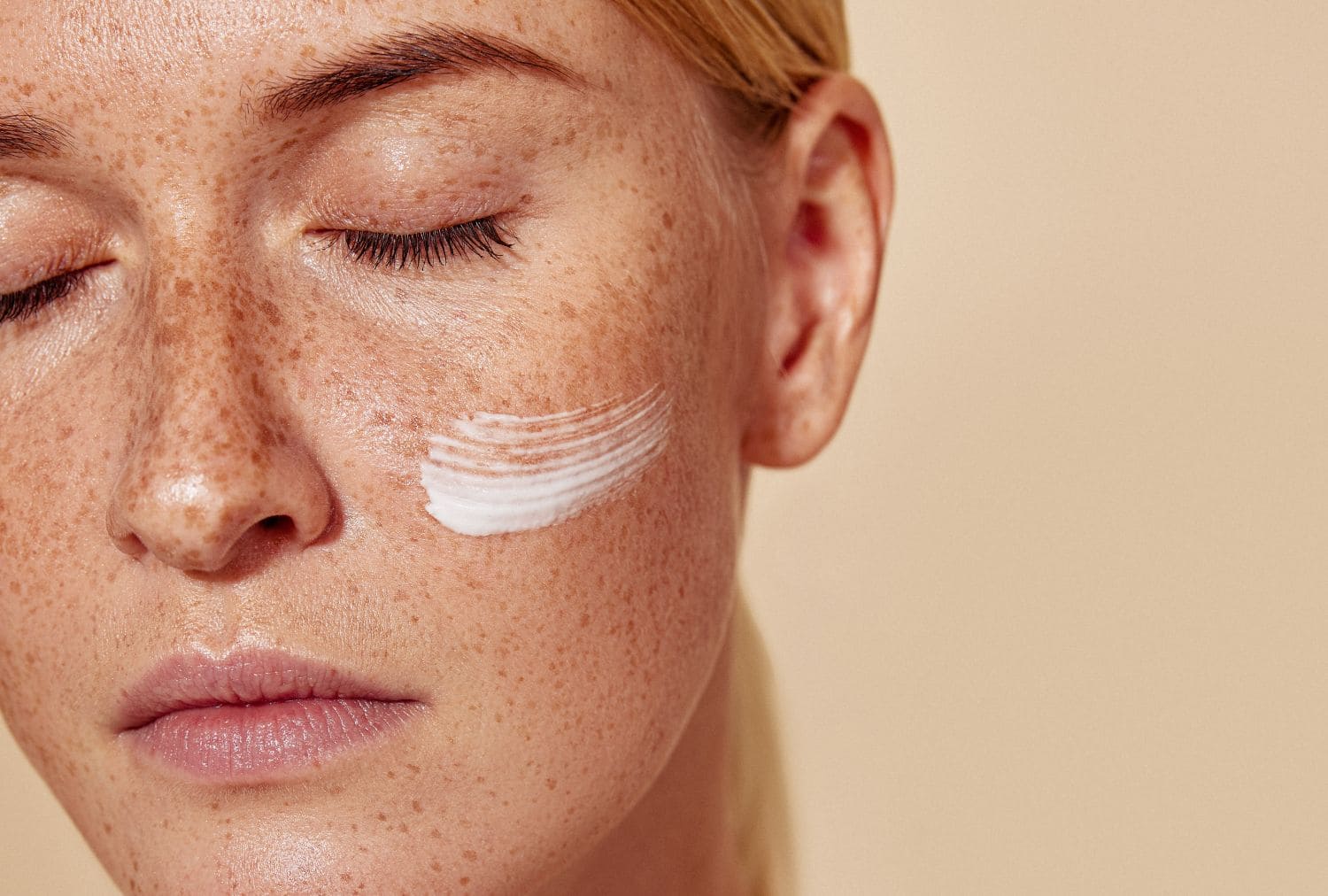
Key Trends Driving the Growth of Sensitive Skin Care Products
The growing demand for sensitive skin products is not happening by chance. A combination of evolving consumer expectations, scientific advancements, and changes in how people approach skin care routines is reshaping this category.
These trends illustrate how the sensitive skin care market continues to evolve and where brands can focus their efforts.
Expansion of Dedicated Sensitive Skin Product Lines
Many beauty brands are moving beyond offering a single “gentle” product and instead launching complete collections tailored to sensitive skin. These lines typically include cleansers, toners, serums, moisturizers, and treatments designed to work together as a supportive routine. This approach helps brands address multiple skin concerns while maintaining a consistent formulation philosophy centered on soothing and protective ingredients.
Barrier-Supportive Formulation Strategies
Skin barrier health has become a central focus within sensitive skin care. Products that strengthen the skin barrier help reduce irritation, improve hydration retention, and protect against environmental aggressors.
As a result, brands are investing in formulations designed to calm reactive skin while maintaining product performance. Hydration, soothing benefits, and gentle exfoliation have become key formulation goals.
Demand for Ingredient Transparency & Simplicity
Consumers are increasingly interested in understanding what goes into the products they use. Ingredient lists, formulation philosophy, and product claims are receiving greater scrutiny, and many shoppers gravitate toward products that avoid potentially irritating ingredients and focus instead on simple, thoughtfully selected components. This growing demand for transparency encourages brands to communicate clearly about their formulation choices.
Innovation in Ingredients & Formulation Technology
Advances in research and development have opened the door to new ingredients and formulation technologies tailored specifically for sensitive skin concerns. Similarly, improved ingredient delivery systems, advanced soothing compounds, and carefully balanced formulations have expanded what sensitive skin products can accomplish. These innovations allow brands to create products that deliver visible results while maintaining a mild and skin-friendly profile.
What These Trends Mean for Skin Care & Beauty Brands: 4 Strategies to Consider
The rapid growth of the sensitive skin category presents significant opportunities for beauty brands that are considering new product development or line expansions. As more consumers look for gentle, skin-supportive solutions, brands that adapt their strategies to meet these expectations can strengthen their position in the market. Understanding how to respond to these trends can help brands develop products that resonate with modern consumers while building long-term credibility and trust.
Here are some tried-and-true strategies that offer practical ways beauty brands can respond to the growing demand for sensitive skin care products.
1. Consider Offering Dedicated Products for Sensitive Skin
With a large percentage of consumers reporting some level of skin sensitivity, brands that address this concern directly can reach a wider audience. Rather than offering a single product labeled as ideal for people with sensitive skin, many successful brands are expanding their portfolios with dedicated sensitive skin collections.
These lines may include cleansers, moisturizers, serums, and treatments designed to work together as a routine. Creating a cohesive product range allows brands to support multiple skin needs while maintaining a formulation philosophy centered on calming and protective ingredients.
2. Prioritize Skin-Friendly Ingredients & Formulations
Formulating products for sensitive skin requires thoughtful ingredient selection and careful product development. Certain ingredients may trigger irritation for reactive skin types, while others can help calm inflammation and strengthen the skin barrier. Brands that prioritize gentle, barrier-supportive ingredients can create products that deliver results without overwhelming delicate skin. This approach often involves balancing performance with mildness through carefully designed formulations.
3. Educate Customers About Sensitive Skin Care
Consumers frequently search for guidance when managing sensitive skin. Questions about triggers, ingredients, and routines are common across social media, online communities, and beauty content platforms.
Brands that provide educational resources can build stronger relationships with their audiences. Blog content, product guides, ingredient explanations, and routine recommendations help consumers better understand how to care for reactive skin while highlighting the value of thoughtfully developed products.
4. Collaborate with an Experienced Formulation & Manufacturing Partner
Developing effective sensitive skin products often requires specialized formulation knowledge, testing procedures, and manufacturing capabilities. Partnering with an experienced laboratory can help brands navigate these technical requirements while accelerating product development.
A knowledgeable formulation partner or private label manufacturer like Trilogy Laboratories can assist with ingredient compatibility, product stability, regulatory considerations, and performance testing. This collaboration allows brands to bring innovative and reliable products to market with greater confidence.
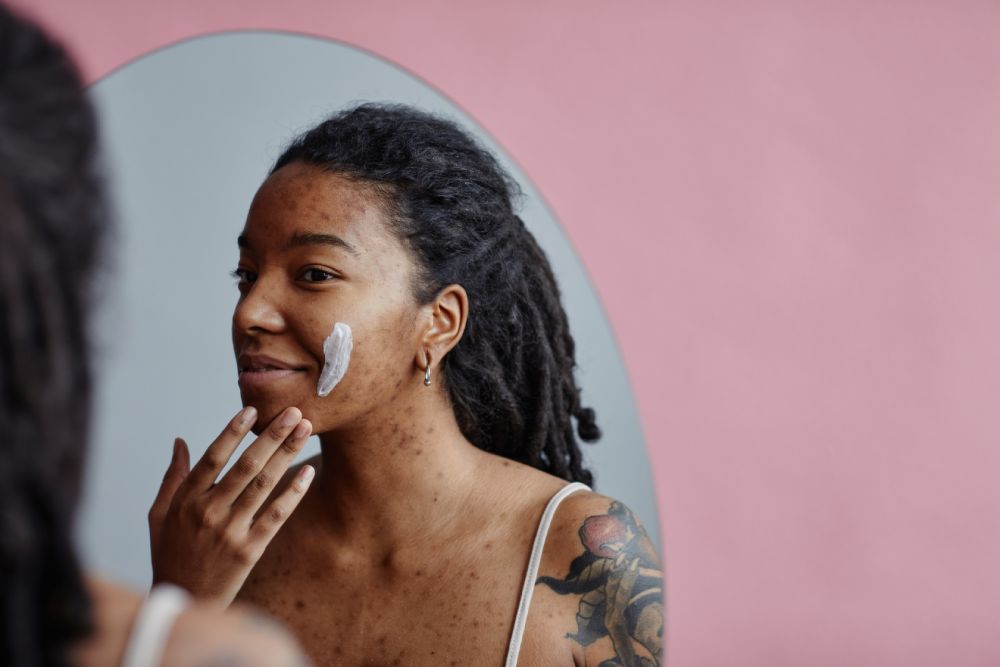
Our Favorite Sensitive Skin Care Products
At Trilogy Laboratories, we have created a wide range of private label skin care products that align well with the needs of consumers with sensitive skin. If you’re thinking about starting a sensitive skin care line or expanding your current beauty brand offerings to include more “gentle” products, start here.
Gentle Cleansing Bar
For consumers with highly reactive skin, a mild cleanser is often the first step in building a comfortable daily routine. Our Gentle Cleansing Bar provides a soapless cleansing option designed to remove impurities without stripping the skin’s natural moisture. Because the formula focuses on mild cleansing ingredients rather than harsh surfactants, it helps maintain the skin barrier while still leaving the skin feeling clean and refreshed, making it a strong option for individuals prone to dryness or irritation.
Gentle Cream Cleanser
Cream cleansers are a popular choice for sensitive skin because they combine cleansing with hydration. To dissolve makeup, dirt, and excess oil while maintaining the skin’s natural balance, try our Gentle Cream Cleanser. This type of formulation cleans the skin without leaving it feeling tight or overly dry, which can be particularly beneficial for people whose skin reacts negatively to stronger foaming cleansers.
Calming Biocellulose Mask
Soothing treatment masks can play an important role in routines designed for reactive skin. Our Calming Biocellulose Mask uses a biocellulose sheet that closely conforms to the face, allowing calming and hydrating ingredients to remain in contact with the skin for improved absorption. Treatments like this help replenish moisture, calm redness, and support skin recovery after environmental stress or cosmetic procedures.
Repair Gel
Sensitive skin often benefits from moisturizers that hydrate while helping calm visible irritation. Our Repair Gel features a softly whipped, creamy gel texture that delivers lightweight hydration while soothing stressed or reactive skin. This type of formulation works well for daily use, particularly when the skin has been irritated by environmental exposure, sun, or the overuse of active skin care products.
Moisture Intensive Serum
When sensitive skin becomes dry or compromised, replenishing moisture while supporting the skin barrier becomes especially important. Our Moisture Intensive Serum offers a lightweight, non-greasy formula designed to hydrate and comfort irritated or hypersensitive skin. The fast-absorbing serum enhances the skin’s lipid barrier function and helps soften the surface while delivering immediate moisture for improved suppleness.
Lightweight Body Lotion
Sensitive skin concerns are not limited to the face, which is why gentle body care products, like our Lightweight Body Lotion, are also important. It provides everyday hydration without heavy oils or overly rich textures. This type of lightweight formula absorbs quickly while maintaining moisture levels, helping keep the skin soft and comfortable without leaving a greasy residue that may feel uncomfortable for sensitive skin types.
Gentle Enzyme Mask
Exfoliation can be challenging for individuals with sensitive skin, especially when harsh scrubs or strong chemical treatments cause irritation. Our Gentle Enzyme Mask offers a milder approach by using enzyme-based exfoliation to break down dead skin cells. It allows the skin to appear smoother and brighter while minimizing the risk of redness or irritation often associated with more aggressive exfoliating products.
Peptide Biocellulose Mask
Targeted treatment masks can also help support sensitive skin recovery and hydration. Our Peptide Biocellulose Mask delivers a concentrated serum through a biocellulose sheet mask infused with peptides, ceramides, niacinamide, and hyaluronic acid. These ingredients help replenish moisture, strengthen the skin barrier, and calm irritation, making this type of mask particularly helpful for sensitive or stressed skin.
Sensitive Skin Care Product Market Trends FAQs
What Qualifies as a Sensitive Skin Care Product?
Sensitive skin care products are formulated to reduce the risk of irritation while supporting the skin’s natural barrier. These products often use gentle cleansing agents, soothing ingredients, and carefully selected preservatives. Many are designed to calm redness, minimize reactivity, and maintain hydration without overwhelming delicate skin.
Why Is the Sensitive Skin Care Category Growing So Quickly?
Several factors contribute to the rapid growth of this category. A large percentage of consumers report experiencing skin sensitivity, and awareness of skin health has increased significantly through dermatology education and social media discussions. At the same time, environmental stressors such as pollution and climate exposure can contribute to skin irritation, which encourages consumers to look for gentler products.
Which Types of Products Are Most Common in Sensitive Skin Care Lines?
Sensitive skin collections often include cleansers, moisturizers, serums, and soothing treatments designed to work together as part of a routine. Facial products tend to dominate the category, although body care products for sensitive skin are also gaining popularity as consumers seek gentle solutions for their entire skin care regimen.
Why Should Beauty Brands Consider Developing Products for Sensitive Skin?
Sensitive skin affects a significant portion of the population, making it an important market opportunity for beauty brands. Products designed for reactive skin can attract consumers who struggle with irritation or who simply prefer gentler formulations. Expanding a product line to include sensitive skin solutions allows brands to serve a broader audience.
How Can a Skin Care Brand Develop Products for Sensitive Skin?
Creating effective products for sensitive skin typically requires careful ingredient selection, thoughtful formulation strategies, and thorough product testing. Many brands collaborate with experienced formulation laboratories to develop products that balance performance with mildness while meeting regulatory and quality standards.
Build or Expand Your Sensitive Skin Care Line at Trilogy Laboratories
Sensitive skin care has become one of the fastest-growing segments within the global beauty industry. With a majority of adults reporting some level of skin sensitivity and the market projected to grow significantly over the coming years, demand for gentle, effective products continues to rise.
For beauty brands, these developments highlight a clear opportunity. Expanding product lines to address sensitive skin concerns allows companies to reach a broader audience while supporting consumers who are actively searching for skin-friendly solutions.
At Trilogy Laboratories, our experienced project consultants are ready to guide you through the process of branding high-quality products that align with your company’s vision. We offer a beautiful selection of packaging, low minimum order quantities, and customizable formulas made with natural and scientifically advanced ingredients—all so you can wow your users, develop a loyal customer base, and grow your beauty brand.
Whether you are launching a new sensitive skin care line or expanding an existing collection, we’re here to help.
Skin care doesn’t get any better than this.
Contact us today or call 239.939.5454 to get started with your sensitive skin care line.
Posted in Professional Skin Care