Skin care never stands still. Ingredients fall in and out of favor. Routines get simpler, then smarter. What customers expect from a brand today can look very different just a year or two from now.
For founders, creators, influencers, and growing beauty businesses, that constant change can feel both exciting and overwhelming. Staying relevant requires paying attention to what’s trending and where skin care is heading next. It also means having a way to move quickly when the right idea shows up. The brands that win will be the ones that understand these shifts and know how to translate them into products people trust, use, and come back for.
13 New Skin Care Trends to Watch in 2026
Trends get talked about like they are fleeting moments, but in skin care, they usually reflect something deeper: a change in customer expectations. People want fewer irritants, smarter actives, better daily protection, and products that fit their real routines. They also want brands that sound confident because they have done the work, not because they have a louder marketing angle.
If you are building or expanding a line, the goal is not to chase every new idea but to spot the shifts that align with your audience and turn them into products that feel timeless in your brand.
Here are the latest trends shaping the skin care market in 2026, what they look like on shelves, and practical ways to translate them into new product launches.
Skin Care Trend #1: Regenerative & Skin-First Formulations
Customers are paying attention to how their skin feels day to day, not just how it photographs for one moment. If you want an easy brand story, build around resilience and daily repair rather than overnight miracles.
Regenerative skin care is a shift toward helping skin function better over time. Instead of pushing quick, aggressive results, this trend centers on recovery, resilience, and a stronger-looking barrier. In products, you will see more barrier-support moisturizers, comfort-first cleansers, and renewal-friendly night formulas that pair active ingredients with calming support.
A great product direction here is a “reset” lineup: a gentle cleanser, a replenishing moisturizer, and a recovery serum that helps skin look smoother and more even without leaving people feeling stripped.
Skin Care Trend #2: Biotech & Biomimetic Ingredients
Biotech is becoming a normal part of the skin care conversation, especially for customers who want consistent performance. Biomimetic ingredients sit right at the center of this shift because they are designed to work in ways that resemble the skin’s natural processes, which feels intuitive to buyers who have moved past gimmicks.
On the product side, this trend often shows up as science-forward hero serums, moisturizers featuring biomimetic lipids, and brightening formulas that focus on repeatable results and good wearability.
If you want to turn this trend into a product idea, think about building one flagship formula with a clear clinical story, then support it with complementary products that carry the same “smart science” identity. The best versions will feel credible, easy to explain, and comfortable enough for daily use.
Skin Care Trend #3: Microbiome-Centered Skin Care
Microbiome-focused skin care is evolving into something more grounded. Rather than making bold claims about “fixing” the microbiome, many brands are focusing on routines that support balance by avoiding overly harsh cleansing and leaning into barrier-friendly formulations. Customers who deal with sensitivity, redness, or breakouts are especially tuned into this trend.
In practice, microbiome-centered skin care looks like gentle cleansers that rinse clean without tightness, calming serums that focus on comfort, and moisturizers that support a healthier looking barrier.
Consider building a daily essentials duo (cleanser + moisturizer) and then adding a calming treatment for redness prone or reactive skin. It creates a clear entry point for first-time buyers while giving you an obvious next product to introduce.
Skin Care Trend #4: Skinimalism & Streamlined Routines
Customers still want brightening, smoothing, and hydration, but they don’t want routines that feel complicated, expensive to maintain, or hard to follow. Skinimalism (skin + minimalism) is the result—streamlined skin care with fewer steps and better products.
You will see this trend reflected in multi-benefit moisturizers, hybrid formats like serum creams and toner essences, and routine kits that remove overwhelm.
To incorporate skinimalism into your product line, start by identifying the one product your audience would use twice a day without thinking, and build around it. A hero moisturizer that hydrates, supports the barrier, and gives a refined finish can carry a line. Add a simple three-step set to make the buying decision easy, then expand with one targeted treatment that solves a specific problem.
Skin Care Trend #5: Advanced Sun Care & Daily Protection
Sun care is becoming more lifestyle driven, and customers are raising their standards. They want daily protection that feels like skin care, layers well, and looks good on the skin. They also want formulas that fit different skin tones and don’t feel like a heavy sunscreen compromise.
This trend shows up as SPF-infused moisturizers, lightweight daily protection products with skin care textures, and formulas designed for comfortable all-day wear under makeup.
Consider creating a daily SPF moisturizer that feels like a core routine step rather than a separate category. If your audience hates thick textures, a lighter SPF option with a serum like feel can be a differentiator, especially when the finish is natural and not greasy.
Skin Care Trend #6: Beyond the Face (Body & Lip) (h3)
Customers are bringing facial skin care expectations to the rest of the body. Body care is shifting from basic lotion to targeted treatment, and lip care is expanding into richer masks and treatment balms. Hands, neck, and chest are also getting more attention because they are high-visibility areas people notice quickly. Expect to see body serums and treatment lotions that focus on texture and tone, plush lip masks designed for overnight use, and elevated hand creams that feel giftable.
If you want to capitalize on this trend, treat body and lip as natural line extensions that share your facial skin philosophy. A “face grade” body lotion can be positioned as a daily treatment, while a lip mask gives you a social friendly product that encourages repeat use and makes a great add-on at checkout.
Skin Care Trend #7: Transparency, Clean Beauty, & Ingredient Literacy
Transparency has become a must-have. Customers want clarity on ingredients, sourcing, and what a brand stands behind. They also want claims that feel specific and believable, especially as more people learn how to read product labels and compare formulas.
In product terms, this trend often means choosing a tighter set of well-supported actives and explaining the role each one plays, in plain language. It also means making your packaging and product pages easy to understand, so customers can connect the dots between ingredients and results.
A helpful way to turn this trend into an advantage is to build your marketing around education: Explain what is in the formula, what it is doing, and how to use it, then let consistency and quality do the rest.
Skin Care Trend #8: Age-Agnostic Beauty & Confidence-Focused Messaging
Age-specific marketing is fading because it feels limiting and outdated. Customers want products that support healthy-looking skin at any stage, and they respond better to messaging that focuses on goals like hydration, comfort, glow, and resilience rather than fear-based language.
This trend shows up in product names and positioning that emphasize outcomes, not age brackets. A peptide serum can be framed as daily support for smoother looking skin and better bounce. A routine can be built around barrier support and radiance without calling it “anti-aging.”
Focus on universal skin goals, and keep the tone empowering. That expands your market while keeping your brand story simple.
Skin Care Trend #9: Proven Actives, Modern Delivery, & Back to Basics
Classic actives—retinol, vitamin C, niacinamide, etc.—remain popular and in high demand because customers have seen them work. At the same time expectations have changed.
Buyers want gentler experiences, better layering, and formulas they can use consistently without feeling like their skin is constantly recovering. They’re looking for beginner-friendly retinol options, vitamin C formulas that focus on stability and comfortable wear, and active blends paired with calming support ingredients.
A smart way to productize this trend is to offer “entry level” versions of proven actives, with clear guidance on how to use them, then create a step-up product for customers who want something stronger. That approach helps you serve beginners and experienced users without fragmenting your line.
Skin Care Trend #10: Gentle Exfoliation & Barrier-Friendly Renewal
Exfoliation is not going away, but the style of exfoliation is changing. Customers still want smoother texture and brighter tone, yet many are stepping back from harsh scrubs and overly intense acids. In 2026, gentle renewal that feels consistent and comfortable is becoming the default.
You will see more enzyme-based exfoliants, mild acid toners paired with hydrating ingredients, and treatments designed for sensitive or reactive skin. Consider, for example, a weekly resurfacing treatment that delivers a noticeable payoff without the sting, combined with a daily toner or essence that supports light renewal and hydration.
When customers can use an exfoliating product regularly without drama, they stick with it and repurchase.
Skin Care Trend #11: Advanced Peptides & Next-Generation Performance
Peptides are gaining momentum because they fit the demand for science-backed performance and play well with other actives. In 2026, peptides are showing up beyond traditional firming claims, with more emphasis on overall skin vitality, smoother looking texture, and that cushioned, healthy skin feel. They appear in daily serums that layer easily, moisturizers that feel supportive, and premium eye products with a plush texture.
A practical way to take advantage of this trend is to build a peptide serum that works morning and night. Later, you can extend the story into a richer night moisturizer or a targeted eye product. It will give customers a clear pathway to deepen their routine without changing brands.
Skin Care Trend #12: Experiential & Sensory Skin Care
Results matter, but experience drives loyalty. People keep using the products that feel good in their hands, on their skin, and in their routines. This year, sensory elements like texture, finish, consistency, and ritual-friendly formats will continue to separate forgettable products from the ones customers talk about.
This trend shows up in cloud-like creams, fast-absorbing gel creams, and formats that feel calming or indulgent at the end of the day. For example, a standout texture can become part of your brand identity, while a ritual product such as a rich mask or balm can create an emotional connection that supports repeat buying.
Skin Care Trend #13: Technology-Influenced Skin Care & At-Home Devices
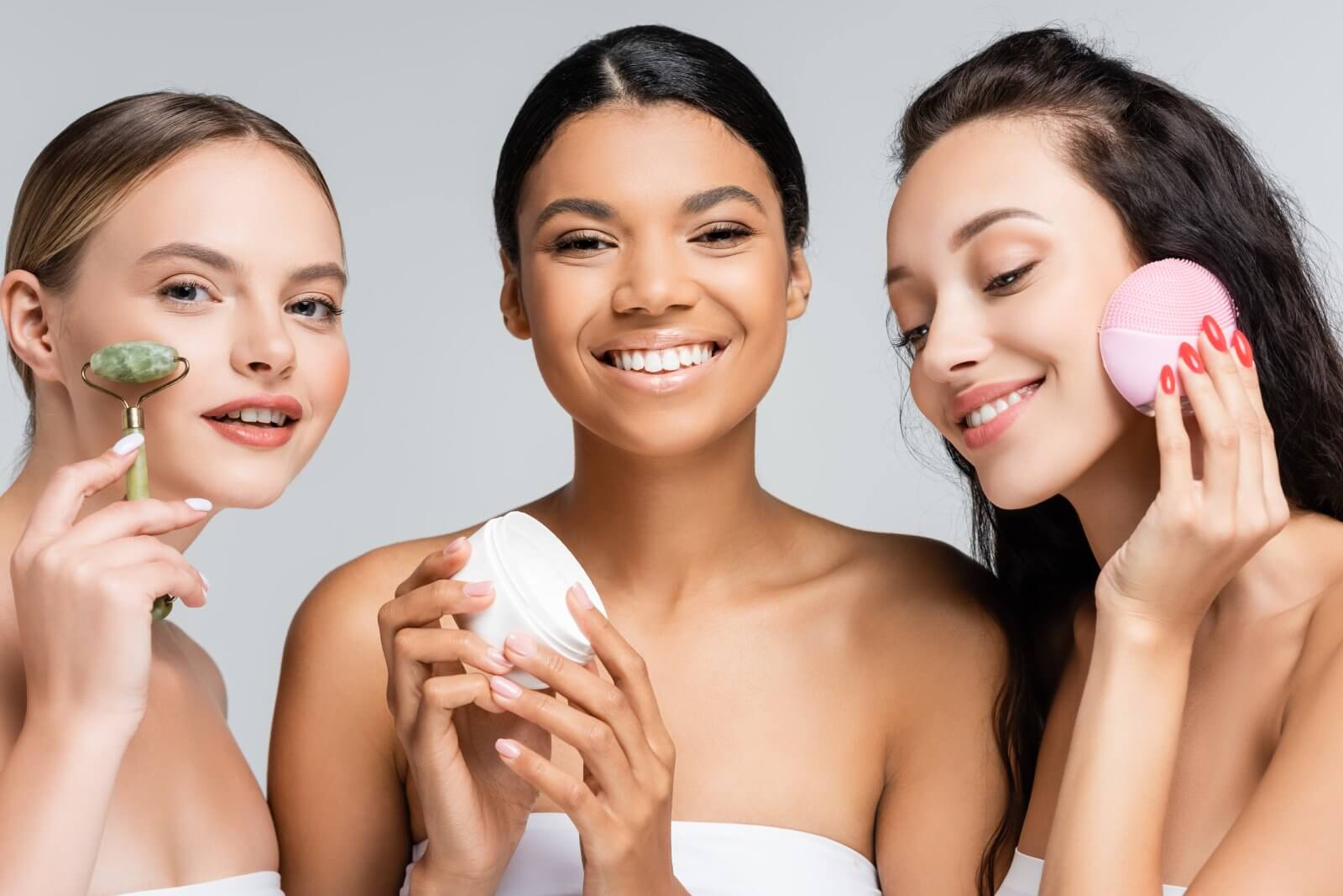
At-home devices have reshaped what customers expect from results and recovery. Red light, blue light, and other home routines have become common enough that people look for topical products that pair well with them. Even customers who do not own devices still absorb the language of “recovery,” “calming,” and “support” that comes with device culture.
A smart way to take advantage of this technology is to create a companion product designed for comfort and hydration after an at-home skin care device session. Educate customers on how to incorporate it as well. That education can make your brand feel modern and helpful, while the products themselves remain broadly appealing.
How Private Label Manufacturers Help You Stay on Top of the Latest Trends in Skin Care
Private label skin care has opened the door for brands of all sizes to turn emerging trends into real products without starting from zero.
Trends move fast, but product development can move slowly if you build everything from scratch. Private label manufacturing gives you a practical advantage. You can launch products that fit current demand while protecting your budget, your brand reputation, and your timeline.
Here is how private label skin care supports trend-ready launches.
Faster Path from Concept to Launch
If you already know your audience and your positioning, private label can shorten the path to market. Instead of spending months on early formulation trials, you can start with proven base options and customize from there.
Lower Risk When Building a New Line
Every launch has risk, especially for emerging brands. Private label helps reduce that risk because you work with formulas that have already been tested for performance and stability. You also gain support around packaging, manufacturing processes, and practical production planning.
Better Consistency & Quality Control
Customers come back when a product performs the same way each time they buy it. A trusted private label skin care manufacturer helps you maintain batch-to-batch consistency, quality checks, and reliable production systems.
Flexibility to Build a Cohesive Product Family
Skin care trends can be a doorway to a larger line. For example, you can start with a hero serum built around peptides, then expand into a moisturizer, eye product, and body treatment that share the same brand story. Private label makes it easier to scale in a structured way.
Support for Compliance & Responsible Claims
Modern consumers demand transparency, and retailers and online platforms also pay attention to product claims and labeling. Working with an experienced manufacturer helps you navigate ingredient documentation, labeling, and production standards so you can market confidently.
Why Partner with Trilogy Laboratories?
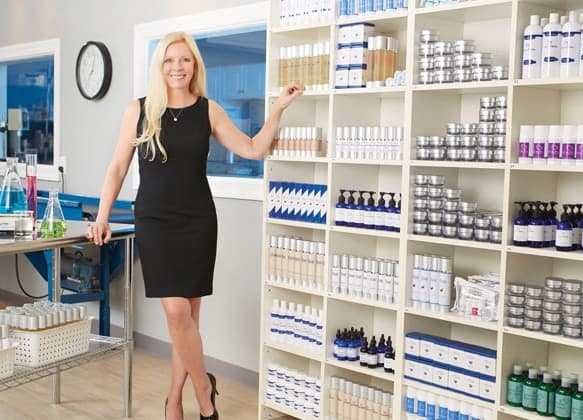
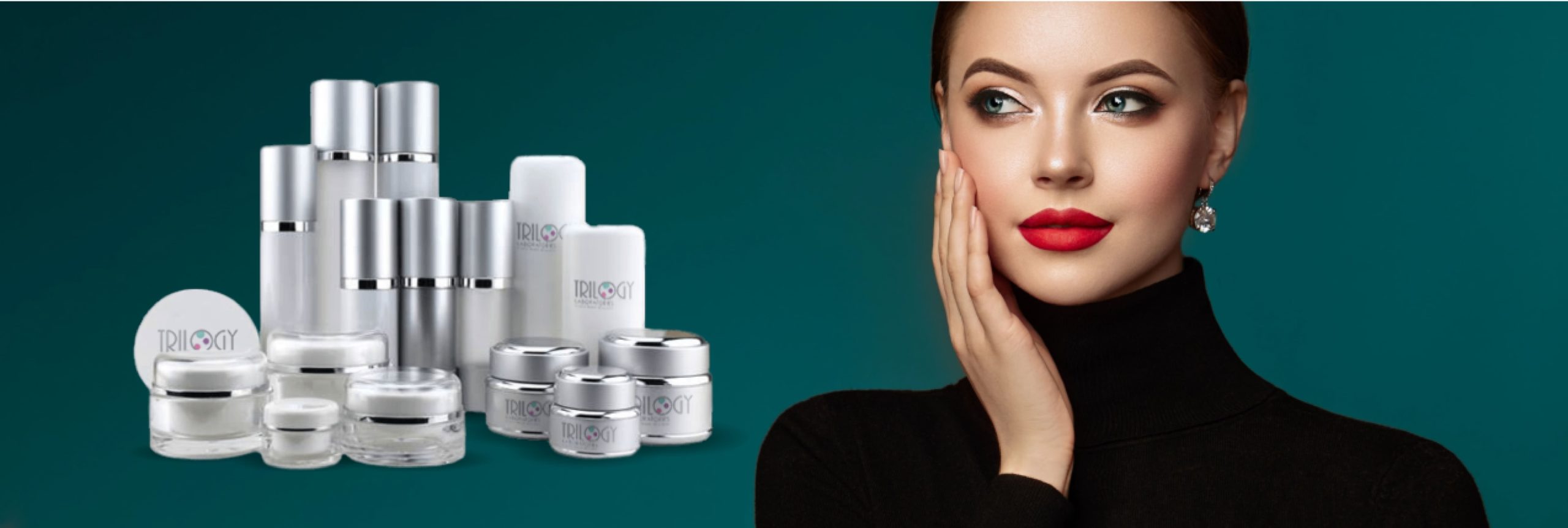
At Trilogy Laboratories, we partner with businesses and entrepreneurs to manufacture high-quality private label skin care products for your beauty brand.
When you bring us a trend you want to pursue, we work with you to translate it into a product concept that makes sense for your audience and your brand. That could mean a barrier support moisturizer designed for daily comfort, a peptide serum that layers beautifully with other actives, a daily SPF option made to feel lightweight and wearable, or a body treatment that feels premium rather than basic.
We also help you handle the details that separate a good idea from a product customers actually repurchase. We guide ingredient and active selection based on the results you want to deliver, then refine the feel, finish, and overall experience so the product stands out in a crowded skin care market. As we develop the product with you, we think through real-world factors like stability, packaging compatibility, batch consistency, and how the formula performs over time, not just on day one.
Our goal is to help you move quickly without cutting corners. Whether you are launching your first product or expanding into a full skin care line, we bring the manufacturing experience, quality-minded processes, proven excellence, and collaborative approach that supports momentum and long-term growth.
Skin Care Trends: FAQs
What Skin Care Is Trending Right Now?
In 2026, skin care trends are centered on long-term skin health rather than quick fixes. Regenerative formulas, barrier support, microbiome-friendly products, and gentle actives are gaining momentum. Customers are also gravitating toward streamlined routines, daily sun protection that feels comfortable, and products that balance performance with wearability. Across the board, people want results they can maintain, not products that leave skin stressed or reactive.
What’s Hot in Skin Care Right Now?
What’s hot in skin care includes biotech driven ingredients, advanced peptides, and products that feel both effective and enjoyable to use. Multi-benefit moisturizers, serum-like textures, and hybrid products that simplify routines are especially popular. Body care and lip care are also having a moment, with more brands offering treatment-focused options instead of basic lotions or balms.
What Skin Care Trends Are Shaping 2026?
Skin care trends for 2026 are building on current momentum but with more intention. Expect continued growth in regenerative skin care, microbiome-centered routines, and age-agnostic positioning. Advanced sun care, gentle exfoliation, and smarter use of proven actives like retinol and vitamin C will remain strong, while experiential skin care and technology-influenced routines continue to shape how products are formulated and marketed.
What Is Gen Z Looking for in Skin Care?
Gen Z is looking for transparency, simplicity, and products that feel honest. They care about ingredient literacy, brand values, and routines that fit real life rather than aspirational perfection. Gen Z shoppers are drawn to gentle formulas, barrier support, and multifunctional products. They also value education, clear messaging, and brands that feel approachable rather than overly clinical or fear driven.
What Old Skin Care Trends Are Making a Comeback?
Several familiar skin care trends are returning with modern updates. Proven actives like retinol, vitamin C, and peptides are back in focus, but in gentler, more wearable formulations. Minimalist routines are also reappearing, not as “doing nothing” but as intentional “skinimalism” built around fewer, higher quality products that deliver consistent results.
Are Natural & Clean Skin Care Trends Still Relevant?
Yes, natural and clean skin care trends remain relevant, but they have evolved. Consumers now expect a balance between clean positioning and real performance. Instead of long ingredient lists or vague claims, buyers prefer thoughtful formulations that explain why each ingredient is included. Transparency, sourcing clarity, and realistic claims matter more than buzzwords alone.
How Are Skin Care Brands Responding to Changing Trends?
Many brands are responding by simplifying their product lines, focusing on hero products, and expanding into adjacent categories like body, lip, and targeted care. Private label manufacturing has also made it easier for brands to test new ideas, respond to demand faster, and launch trend aligned products without the complexity of building everything from scratch.
What Is the Future of Skin Care?
The future of skin care is more intentional, more educated, and more user-focused. Products will continue to prioritize barrier health, comfort, and consistency, while science-driven innovation shapes how formulas are built. Brands that succeed will be those that understand their audience, follow trends thoughtfully, and translate them into products that people trust, enjoy using, and repurchase over time.
Get Ahead of the Curve & Build Your Private Label Skin Care Line at Trilogy Laboratories
2026 is full of opportunities for skin care founders who pay attention to trends and notice where customer expectations are heading. If you want to launch or expand a skin care line that fits these shifts, private label manufacturing can be one of the most practical ways to move from idea to product. The key is choosing a partner that can translate trends into formulas that perform, feel great, and fit your brand.
Are you ready to build your skin care brand or expand your line of beauty products? Skip the messy at-home chemistry and let us formulate, manufacture, and label your skin care products in our one-stop-shop.
At Trilogy Laboratories, our experienced project consultants are ready to guide you through the process of branding high-quality products that align with your company’s vision. We offer a beautiful selection of packaging, low minimum order quantities, and customizable formulas made with natural and scientifically advanced ingredients—all so you can wow your users, develop a loyal customer base, and grow your beauty brand.
Skin care doesn’t get any better than this.
Contact us today or call 239.939.5454 to get started with your skin care line.
Featured Products

24/7 Moisturizer – PL2064
$3.99
Add to cart
Body Polish Sample – PL3005
$3.99
Add to cart
Botanical Gel Cleanser Sample – PL100
$3.99
Add to cart
Calming Biocellulose Mask – PL405
$10.00
Add to cart
Gentle Cream Cleanser Sample – PL102
$3.99
Add to cart
Hand & Body Smoothing Souffle Sample – PL1220
$3.99
Add to cart
Hydrating AHA 12 Exfoliating Gel-PL701 | Trilogy Laboratories, LLC
$3.99
Add to cart
Lip Recovery Mask – PL7004
$3.99
Add to cart
Luminessence Serum Sample – PL214
$3.99
Add to cart
Vitamin C 20% Serum Sample – PL200
$3.99
Add to cartPosted in Professional Skin Care